Reaction to Lindsey Joyce’s methodology for analyzing narrative and ludic elements in her essays on the games Kentucky Route Zero, Mass Effect 2, and Elder Scrolls V: Skyrim
Lindsey Joyce has an interesting opinion on narrative within gaming. She chooses to make examples out of two games, that happen to be two games in my top ten favorite games of all time. The points she makes on the narrative direction of Mass Effect 2, I can’t agree with. In The Elder Scrolls V: Skyrim, I can see more of where her perspective is coming from. I agree more with that.
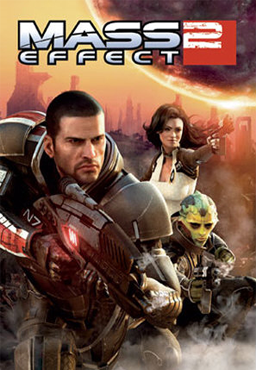
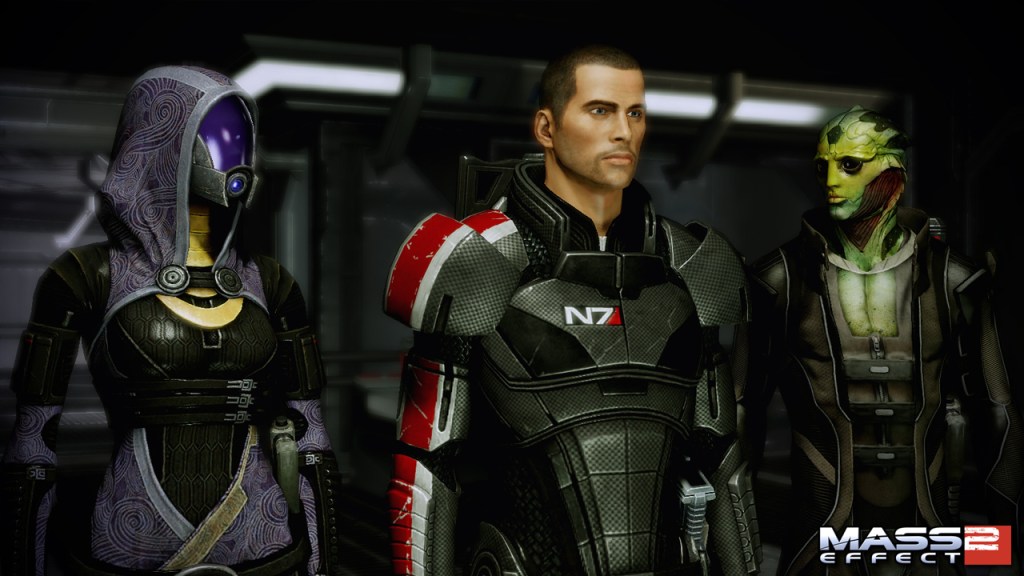
For the drama management system in Mass Effect 2, she speaks about her experience with the Renegade/Paragon system at the start of the and how her view of the beginning situation during the character awakening. Her description of her interpretation of the events and how the decisions affected her emotions toward the game is completely different than mine. I had finished Mass Effect and with the Paragon alignment and brought that character over into part 2, so when I started Mass Effect 2, I went in with the same view of my Commander Shepard character. By her words, it seems like she may have not played the original or couldn’t remember how she played at the time of her example. My Shepard character woke up and made calm responses to figure what was going on and where he was. Therefore, I didn’t experience any feeling or emotion she did. With this she says the drama management system easily detected and that can seen with the good, bad or neutral options given for dialog or action experiences, but I feel that it really depends on how the player follows the story and makes decisions in real life.
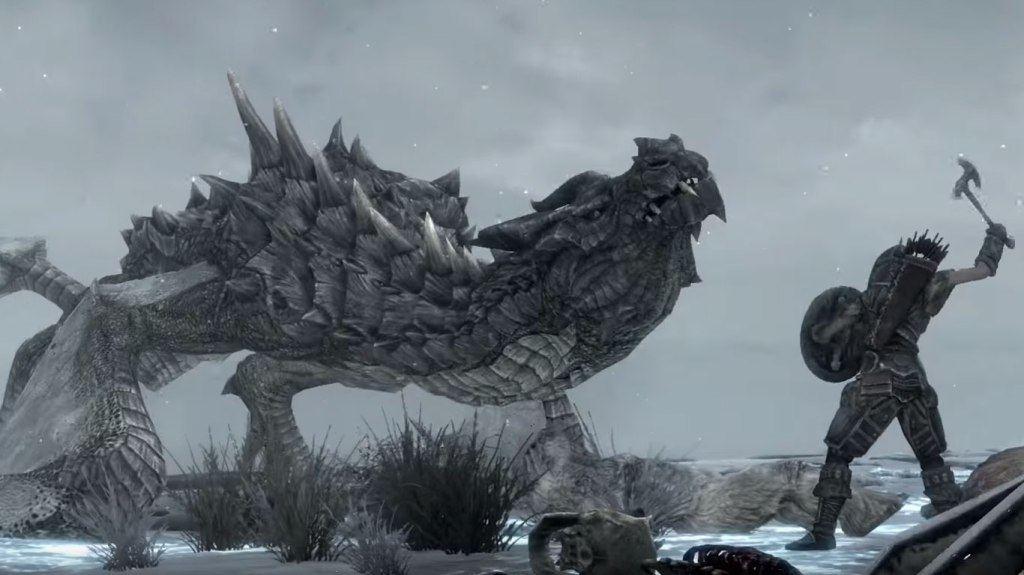
In The Elder Scrolls V: Skyrim she does state that the drama management system is more hidden than in Mass Effect 2 and I would have to agree with that point. I don’t agree with the entire argument on the Skyrim DMS, but for the agreement point, we’ll stick to one aspect of the hidden DMS. She states that within the Skyrim world, making good or bad decisions influence a procedurally generated algorithm which may or may not affect the story. Class and character creation will affect small portions of the story, but not the overall narrative. This is true, but she also states that there will be random generated quests based upon character class that cause the story to become incoherent. That is true, but it depends on how you play and how you approach the story. Nothing in life, just as in Skyrim, is completely linear to follow the same overall story. There are side quests and narratives withing everything from life to gaming and the same goes for the world of Skyrim. I do agree with how the narrative is presented in the confines of comparison between Mass Effect 2 and The Elder Scrolls V: Skyrim, but the way they are both interpreted and approached as a player are not finite.
Joyce touches on many ideas and arguments on narrative style between the two games and I could go on for days with my view in comparison to her and how the narratives in both play out and how they are presented to the player. Just comparing the drama management systems of the two broken down to their simplest forms is not such a daunting task, but in approaching them from differing players perspectives and how thy are interpreted and interacted with cannot simply be put into what feels like a one sided argument. Like I stated before, I have played both games and they are in my top ten favorite games of all time and I didn’t share the experience she did with the same narrative systems. Broken down, they are systems of her description, but the fact that the games can be played, interacted with and interpreted differently by each player can cause different outcomes and interpretations of the games drama management systems. I personally enjoy each game’s different approach to their narrative presentation. It doesn’t matter if I’m speaking to a Krogan and calming him down to fight one my side with paragon persuasion speech or if I accidently swipe at a chicken while I’m trying to take down a dragon and a villager in turn thinks I’m a bad Dovahkiin for doing so, the story plays differently for each player even if the end results are the same. These games are about the journey and not about the destination in my opinion, even if you a grandiose payoff for completing the narrative.

 Welcome to RedBandanaGaming.com